
Table of contents:
Introduction.
The United States coercive diplomacy.
Iran as a cost imposer.
Nuclear thresholds and monitoring.
Israel, Gaza, and the legitimacy environment.
Saudi Arabia and Syria as pivots.
Ukraine load, Caucasus exposure, Middle East spillover.
Hormuz and Red Sea.
Taiwan pressure and U.S. allocation constraints
Sudan and multilateral bandwidth competition
Europe risk multiplier
Audio Note: Before we begin, remember that if you’re accessing this article through the Substack app, you can listen to it instead of reading it. The MarketOps section is best suited for this format.

Before you begin, remember that you have an index with the newsletter content organized by clicking on the image below.

Introduction
Regional crises function as interconnected nodes within a broader architecture of geopolitical, economic, and military friction. From the contested maritime chokepoints of the Middle East to the industrial load bearing down on Europe and the persistent readiness burdens in the Indo-Pacific, the international system is experiencing simultaneous, compounded stress.
The expiration of the New START treaty in February 2026 serves as a structural inflection point for this new era. The loss of top-level arms control norms trickles down into regional theaters, replacing established escalation management with reciprocal fear dynamics. This vacuum elevates the importance of physical, measurable guardrails. Nuclear verification has transitioned from a technical non-proliferation tool into the central currency for de-escalation. The ability to monitor and verify intent—whether tracking Iranian breakout timelines or securing the fragile safety parameters at Ukraine’s Zaporizhzhya facility—now dictates the risk premiums applied by global financial markets and the preventive strike incentives of regional powers.
Within this volatile environment, statecraft has fundamentally shifted toward continuous force design and structural cost imposition. The dynamics analyzed in this report illustrate how major actors manipulate risk:
The United States employs a visible escalation ladder, leveraging maritime dominance and advanced defense systems to enforce declarative realism, deter regional hegemons, and reassure exposed partners.
Actors like Iran utilize dispersed proxy networks, drone swarms, and missile architectures to saturate defenses and impose systemic economic costs, altering global freight spreads and insurance premiums in critical corridors like the Red Sea and the Strait of Hormuz.
The sheer volume of global flashpoints generates competition for diplomatic and military bandwidth. Legitimacy pressures emanating from the Gaza theater strain coalition durability, while severe humanitarian crises drain the diplomatic resources required for effective sanctions enforcement and crisis mediation.
Geopolitical conflict now operates as financial architecture: Sanctions, export controls, and payment rails are weaponized, making the resilience of domestic industrial bases and the protection of strategic supply chains key.
As the geopolitical center of gravity shifts, regional pivots like Saudi Arabia and Syria determine the dynamics of these conflicts, influencing everything from global energy spare capacity to the friction of proxy routing across the Levant. Meanwhile, the persistent pressure around Taiwan forces a continuous recalibration of U.S. asset allocation, demonstrating that a surge in one theater degrades deterrence perceptions in another.

The United States coercive diplomacy
The United States current application of coercive diplomacy reflects a transition toward force design as a primary tool for crisis management. Recent military movements in the Middle East illustrate this shift, where the deployment of the USS Abraham Lincoln carrier strike group and advanced missile defense systems like THAAD serves as a deliberate signal of readiness for high-intensity operations. This posture functions through a ladder logic where every deployment and public statement represents a specific rung on an escalatory scale. Officials monitor these thresholds to ensure that adversaries perceive a unified and unwavering message. The strategy relies on strict message to prevent the ambiguity that arises from distributed agency among local commanders and regional maritime actors.
Force design serves three critical functions within this philosophy. First, it establishes visible capability to extract concessions from Tehran regarding its nuclear enrichment and ballistic missile programs. Second, it provides physical assurance to regional partners who face the risk of direct exposure during heightened tensions. Third, it shapes domestic leadership perceptions by demonstrating capacity within an accelerating crisis loop. This internal-to-external cycle acts as a structural engine: domestic political pressure necessitates swift action, which leads to increased military visibility abroad. The outcomes of these crises then flow back into the domestic sphere, influencing legislative cycles and public media narratives.
A deeper structural layer guides these institutional choices beyond individual political identities. The maintenance of global hegemony and the stability of the economic regime create persistent incentives that survive changing administrations. This systemic position requires the United States to prioritize maritime dominance and the protection of strategic chokepoints like the Strait of Hormuz. The Maritime Action Plan reinforces this by seeking to revitalize domestic shipbuilding and imposing fees on foreign-built vessels to fund a Maritime Security Trust Fund. This focus on industrial capacity and robotic autonomous systems ensures that the American military remains the dominant force in contested waters.
Check the document here:
The 2026 National Defense Strategy formalizes this shift by replacing integrated deterrence with a clear hierarchy of priorities. This strategy explicitly identifies the defense of the American homeland and the containment of regional hegemons as the primary missions. By moving away from democratic idealism and open-ended nation-building, the current approach emphasizes declarative realism. This involves setting firm red lines and making the cost of aggression infeasible through denial. The use of force has become more prominent, as seen in recent operations in the Western Hemisphere and the intensified pressure on Iranian leadership. These actions suggest that diplomacy now serves as a prelude to or a partner of military coercion rather than a standalone alternative.
Iran as a cost imposer
The strategic posture of Iran emphasizes its role as a cost imposer through an integration of military dispersion and diplomatic signaling. This approach utilizes an expansive geography of exposure where missile and drone units maintain a mobile presence. These forces create a wide planning surface for any defensive entity because launch platforms distribute across vast terrains and reconstitute after operations. The sheer volume of these assets aims to saturate point defenses, which forces an opponent to coordinate responses across a multitude of nodes and decision authorities. This increase in coordination demand leads to inherent friction in execution and expands the window for adversary opportunity.
The leverage held by Tehran manifests through three synchronized layers of influence. Direct strike capabilities place regional bases and essential infrastructure under constant risk of engagement. Parallel to this, proxy depth extends the potential map of conflict across Iraq, Syria, Lebanon, and critical maritime zones. Narrative framing serves as the third layer, as Iranian officials craft messages centered on legitimacy, sovereignty, and proportionality to justify their defensive stance. These elements work together to manage escalation, where proxy incidents provide a means of signaling intent while maintaining a level of flexible attribution. In the maritime domain, these actions impose systemic economic costs by triggering a repricing of insurance and widening freight spreads.
Recent diplomatic activity reinforces this deterrent logic through formal communications to the United Nations. These messages frame potential retaliation as a defensive response tied to the protection of regional facilities and assets. This use of legal language seeks to establish international legitimacy while providing enough clarity to raise the overall effect of deterrence. By defining the scope of their claims, Iranian leaders constrain the space for miscalculation among partners and adversaries.
Information regarding indirect negotiations through the Omani Foreign Ministry highlights a parallel track of engagement. While military drills influence the pricing channel of global commodities, the cadence of these consultations suggests a deliberate attempt to balance pressure with dialogue. The uncertainty surrounding the safety of transit corridors carries convex effects on market demand and insurance terms. This dual-track strategy of maritime signaling and diplomatic mediation ensures that every tactical movement translates into a tangible economic or political cost for the international community.
Nuclear thresholds and monitoring
Nuclear verification functions as the essential medium for modern de-escalation because the transformation of political intent into measurable data provides the only reliable baseline for regional stability. This process replaces abstract estimates of breakout timelines with concrete measurements, thereby altering the incentive structure for preventive military action. The current bargaining environment centers on the specific modalities of access, including the physical sampling of materials, the continuous presence of international inspectors, and the robust protection of monitoring hardware against physical or cyber interference.
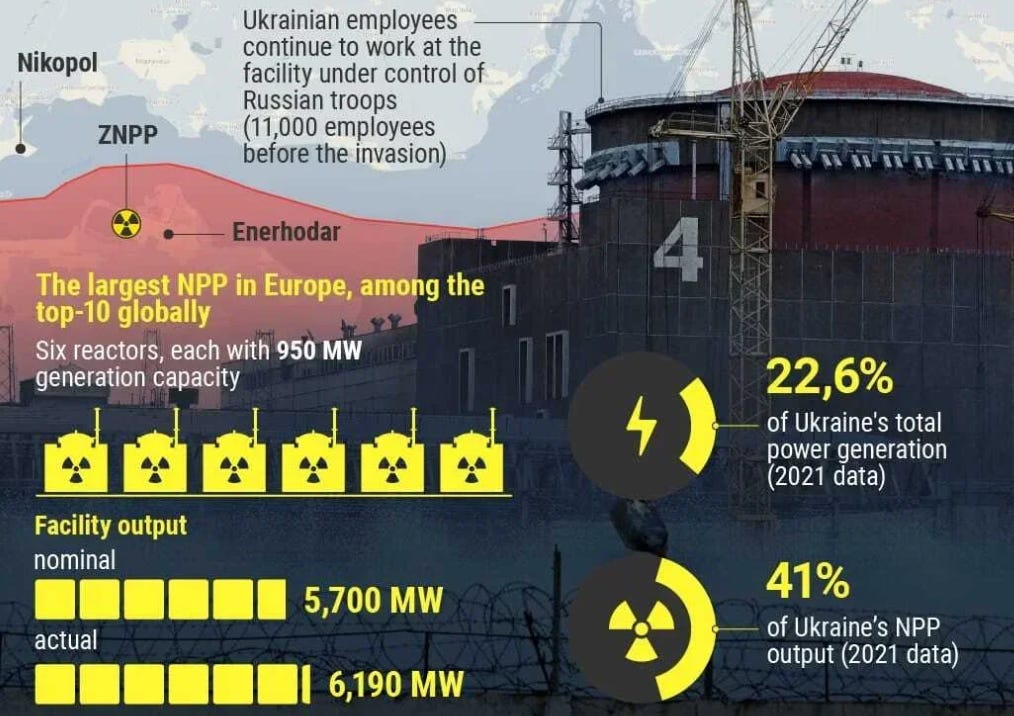
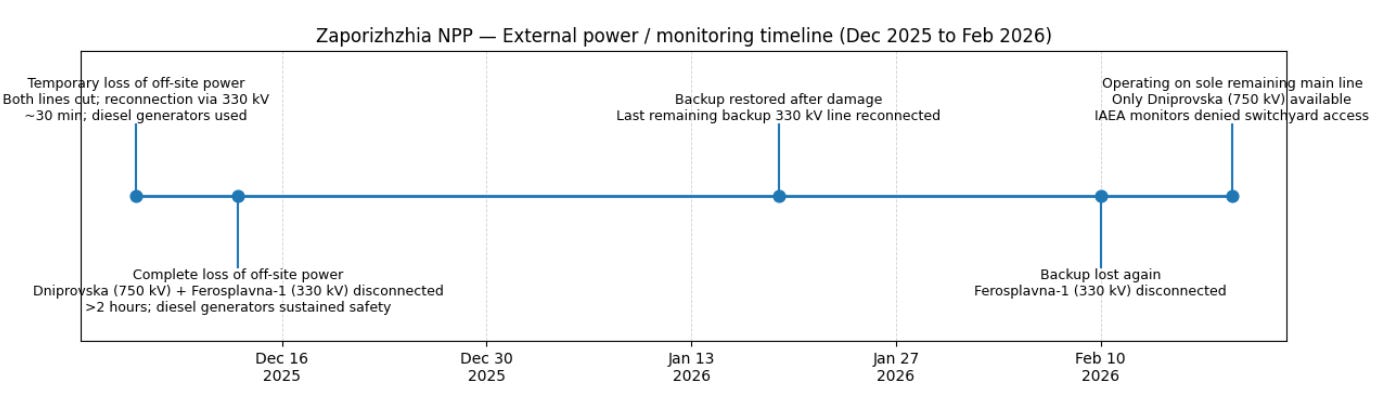
Developments this month illustrate the vulnerability of this verification infrastructure within active conflict zones. The International Atomic Energy Agency has drawn specific attention to the Zaporizhzhya Nuclear Power Plant, where operational safety relies on a single remaining external power line. This precarious situation demonstrates that monitoring capabilities remain tethered to local security conditions, which in turn depend on the shifting incentives of combatants. Any disruption to these essential links triggers a surge in uncertainty and fuels intense credibility contests between opposing parties. The resulting feedback loop shows that perceived threats to monitoring equipment directly influence the probability of kinetic strikes, as reduced visibility encourages more aggressive defensive postures.
Markets now interpret the continuity of nuclear monitoring as a leading indicator for escalation risks. Financial actors price the stability of these verification regimes rather than treating conflict as a binary outcome. The preservation of inspector access bounds the potential paths toward military confrontation, as it provides a cooling mechanism for political tensions. This economic dimension reinforces the status of verification as a central currency in international relations, where the transparency of a nuclear program serves as a prerequisite for broader trade and investment stability.
A secondary node of verification significance has emerged through the expansion of civil nuclear cooperation in the Gulf. Recent discussions regarding Saudi Arabian nuclear arrangements have introduced new variables concerning regional safeguards and enrichment constraints. This wave of civil nuclear development shifts the traditional balance of leverage and forces a recalibration of alliance commitments. The integration of advanced monitoring norms into these new programs serves as a stabilizing force, ensuring that the proliferation of technology aligns with established security equilibria. The pursuit of these verification standards remains the primary tool for managing the complex relationship between energy independence and regional strategic balance.
Israel, Gaza, and the legitimacy environment
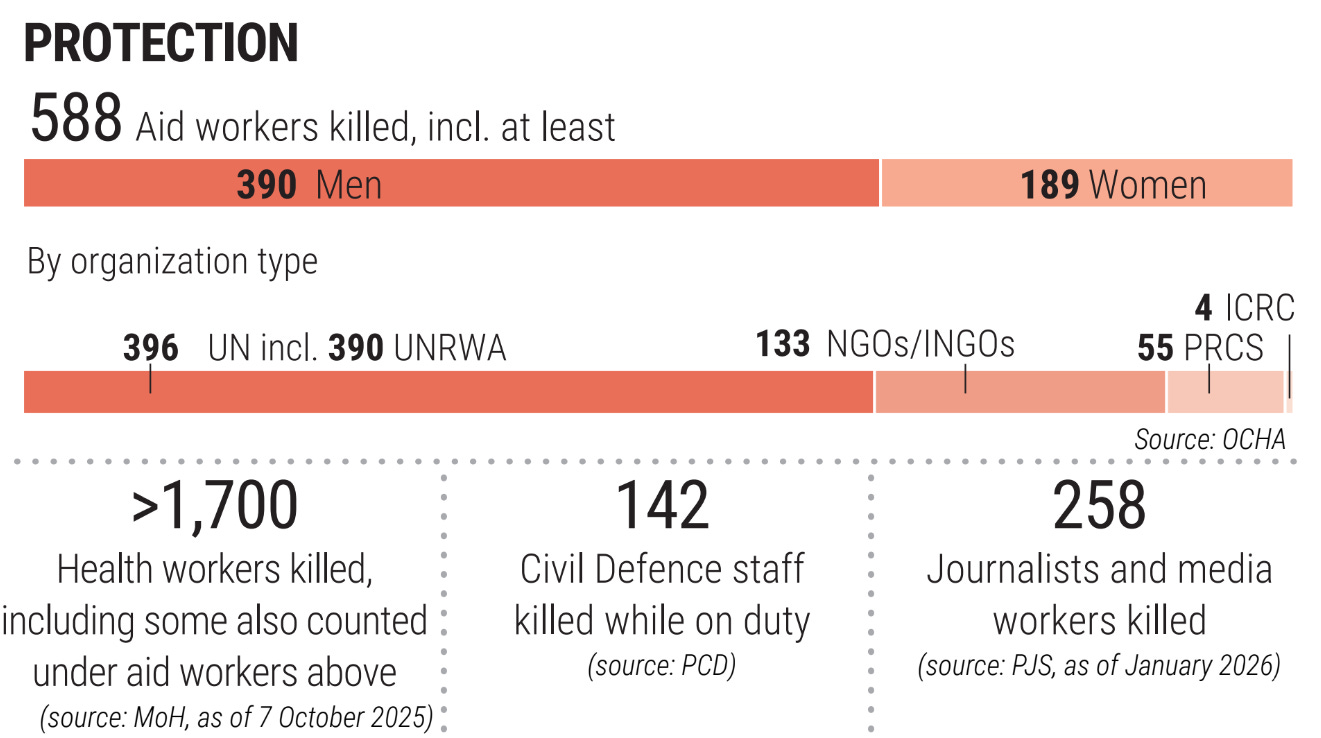
Legitimacy pressure within the Gaza dictates the durability of international coalitions and the scope of regional policy. Data from February 2026 indicates that humanitarian reporting functions as a variable that shifts domestic opinion and legal forum activity in partner capitals. The United Nations human rights system confirms that displacement and demographic changes across Gaza and the West Bank create sustained pressure on diplomatic consent for basing and sanctions enforcement. The first fifteen months of the conflict, report mortality figures that exceed earlier counts. These findings increase litigation risk and impact coalition cohesion by altering the political cost of alignment.
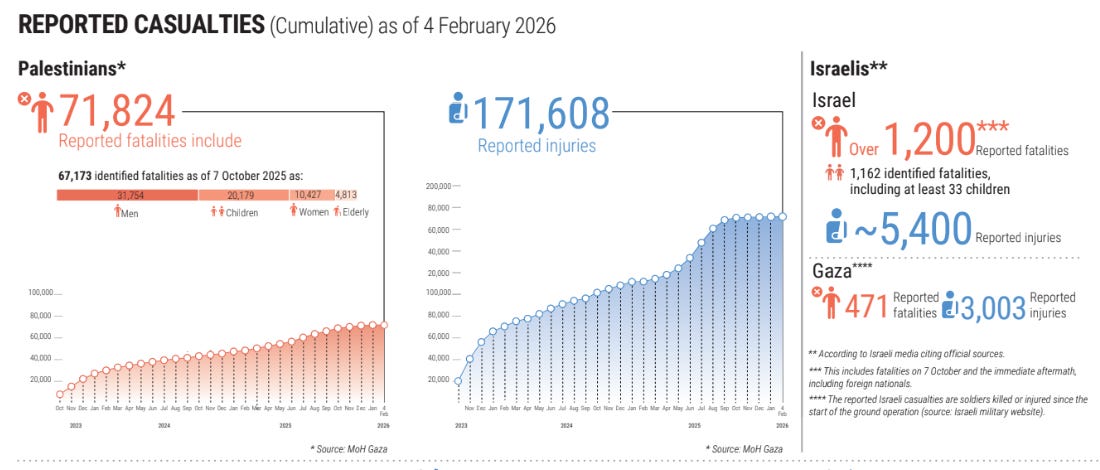
The connection between the Gaza conflict and the broader regional landscape remains a central feature of current strategic planning. Narratives centered on Gaza mobilize support for maritime action and proxy activation, drawing energy from the humanitarian situation to shape the Iran file. This dynamic creates a chain where combat outcomes generate data on civilian harm, which then drives activity within international legal forums. Such legal developments shift domestic opinion, which in turn defines the space available for coalition partners to maintain sanctions and offer logistics support.
The International Committee of the Red Cross issued statements emphasizing obligations under international law regarding detainee and civilian protection. These communications affect the risk tolerance of partners for participation in kinetic operations. Regional actors monitor these signals to calibrate their level of cooperation with external powers. The relationship between humanitarian metrics and strategic leverage ensures that the legitimacy of military presence depends on the management of civilian protection norms. Coalition space remains tied to the perception of adherence to these standards, as seen in the current diplomatic discourse surrounding base access and crisis bargaining.